Preparing for exams can often feel challenging for students, but with the right approach and consistent efforts, success becomes much more achievable. Whether studying under the CBSE or GSEB curriculum, effective preparation strategies help students build confidence, reduce stress, and perform at their best.
Here are some practical exam preparation tips that can help students stay focused and achieve better academic results.
1. Create a Realistic Study Schedule
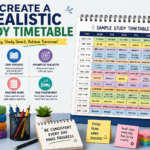
A well-planned timetable helps students manage their time efficiently. Instead of studying for long hours at a stretch, divide study sessions into smaller, focused periods and allocate sufficient time for revision.
Tips:
- Set daily and weekly study goals.
- Prioritize subjects that require additional attention.
- Include short breaks to maintain concentration.
- Follow a consistent routine.
2. Focus on Understanding Concepts
Memorization may help temporarily, but understanding concepts leads to long-term retention and better problem-solving skills. Students should aim to understand the logic behind topics and practice applying concepts through examples and exercises.
Benefits:
- Better knowledge retention.
- Increased confidence during exams.
- Improved analytical thinking.
3. Practice with Sample Papers and Worksheets
Regular practice familiarizes students with exam patterns and improves speed and accuracy.
Recommended Activities:
- Solve previous years’ question papers.
- Attempt chapter-wise worksheets.
- Take timed mock tests.
- Review mistakes and learn from them.
4. Revise Regularly
Revision is one of the most important aspects of exam preparation. Revisiting topics regularly helps students retain information and reduces last-minute stress.
Effective Revision Techniques:
- Prepare concise notes.
- Use mind maps and flashcards.
- Highlight important formulas and definitions.
- Schedule weekly revision sessions.
5. Seek Help Whenever Needed
Students should never hesitate to ask questions or clarify doubts. Timely doubt-solving prevents learning gaps and strengthens conceptual understanding.
Parents and teachers can encourage open communication and provide guidance whenever students need support.
6. Maintain a Healthy Lifestyle
Academic performance is closely connected to physical and mental well-being.
Healthy Habits:
✔ Get adequate sleep.
✔ Eat balanced meals.
✔ Stay hydrated.
✔ Engage in light physical activities.
✔ Avoid excessive screen time.
Supporting Students at GRIV CLASSES
At GRIV CLASSES, we help students from Nursery to Grade 8 develop strong concepts, effective study habits, and confidence through personalized guidance, regular assessments, homework support, and structured revision strategies.
Our goal is to create a positive learning environment where students feel motivated, prepared, and ready to excel academically.
Conclusion
Exam success is not just about studying harder; it is about studying smarter. By following consistent study routines, focusing on conceptual understanding, and practicing regularly, students can approach examinations with confidence and achieve their academic goals.